When people think about getting into work, they often think about qualifications. Qualifications matter, but they are rarely the first thing standing in the way. More often it is the practical knowledge and confidence that make the difference between applying for a job and getting it, or between starting a job and keeping it.
That is what pre-employment workshops are for. This article explains what they typically cover, who they help, and how they fit into a wider pathway.
What pre-employment workshops cover
Every group is different, so content is shaped around the people in the room and the work they are aiming for. Common topics include:
- Understanding your strengths: identifying the skills you have from work, study, caring and life
- Applications and resumes: writing a resume that reflects what you can do, and tailoring it to a role
- Interview preparation: what to expect, how to answer common questions and how to talk about gaps in your work history
- Workplace expectations: communication, reliability, teamwork and how workplaces actually operate
- Digital skills for job seeking: online applications, email and job search tools
- Planning practicalities: transport, childcare, budgeting for the first pay cycle and what to wear
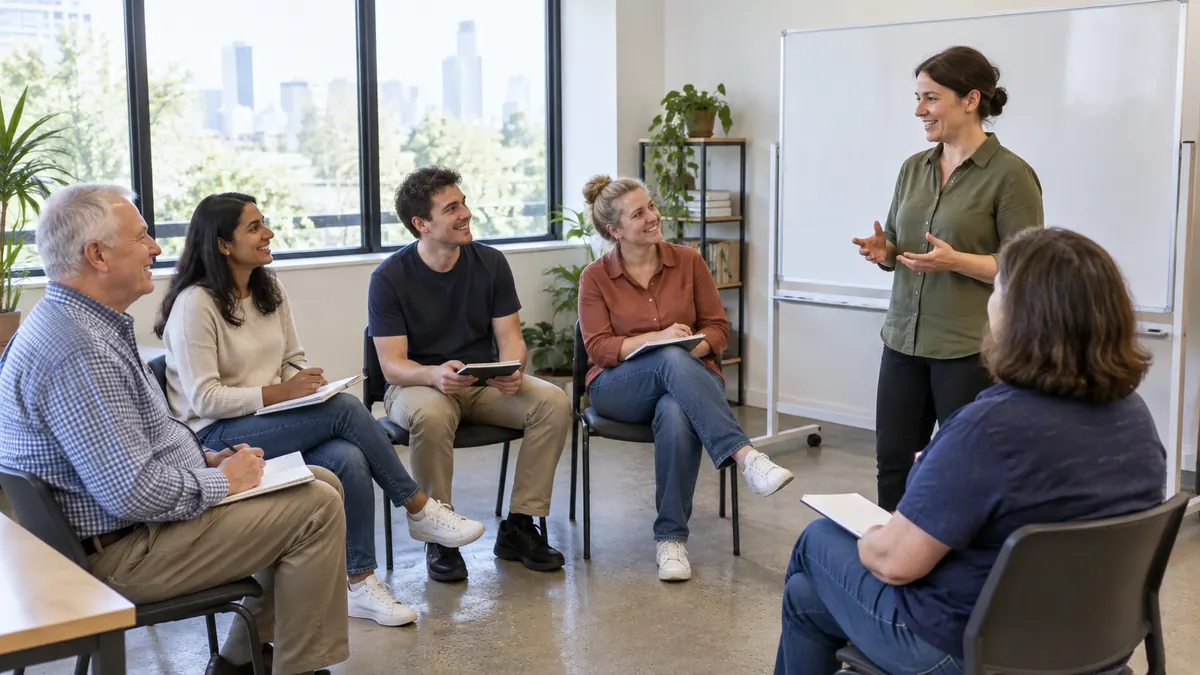
Workshops are practical and conversational. The aim is for people to leave with something they can use straight away, whether that is an updated resume or a clearer answer to "tell me about yourself".
Who they help
Pre-employment workshops are useful for almost anyone, but they make the biggest difference for people who:
- have been out of work for a long time and want to rebuild confidence
- are entering the workforce for the first time
- are returning after caring responsibilities or illness
- are changing industries and need to reframe their experience
- are new to Australian workplaces
Why confidence matters as much as content
People who have faced repeated knock-backs often start to expect the next one. Workshops give them a low-pressure place to practise, ask questions and learn from others in similar situations. Hearing someone else describe the same worries can be as valuable as any formal content.
Group settings also build connection. For people who have been isolated, being part of a group with a shared purpose is often the first step back into a routine.
The goal is not to turn people into someone else. It is to help them show employers who they already are.
How workshops fit into a pathway
Workshops are one part of the plan, not the whole of it. For some participants they lead directly into job applications and introductions to employers. For others they come before accredited training through one of our partner registered training organisations, so people start their course ready to succeed. Throughout, participants keep the same point of contact, who helps them decide what comes next.
You can read more about individual training and support plans and what case management looks like.
Interested?
If you, or someone you work with, could benefit from pre-employment support, contact us or call 1800 993 557.